
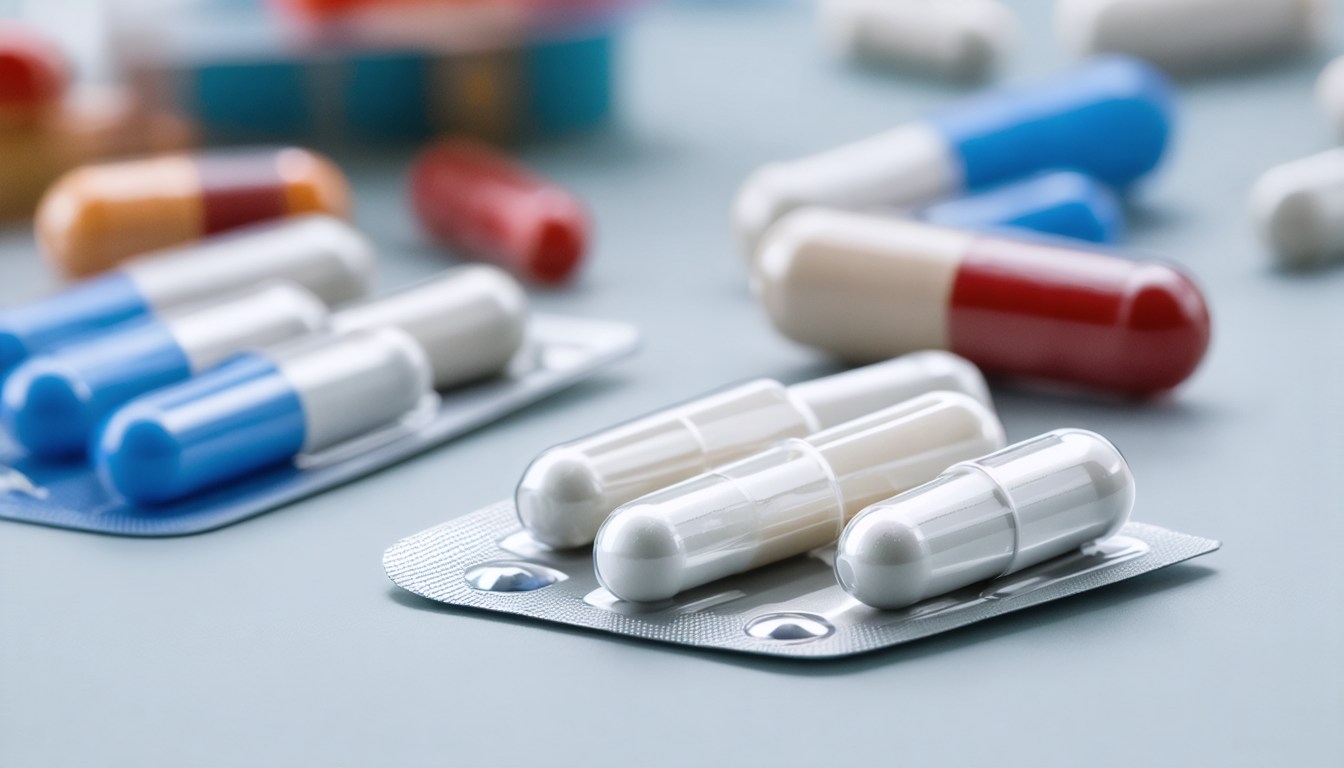
Male enhancement products — answers to the main questions
Disclaimer: This article is for educational purposes only and does not replace professional medical advice, diagnosis, or treatment. Always consult a qualified healthcare provider regarding concerns about sexual health or the use of any enhancement products.
Frequently asked questions (FAQ block at the beginning)
What are male enhancement products?
Male enhancement products are supplements, devices, topical preparations, or prescription medications marketed to improve erectile function, libido, stamina, or penis size. They range from over-the-counter herbal pills to vacuum erection devices and FDA-approved treatments for erectile dysfunction (ED).
Why do men look for enhancement products?
Common reasons include erectile difficulties, reduced sexual desire, performance anxiety, concerns about size, and age-related changes. Chronic conditions such as diabetes, cardiovascular disease, and hormonal imbalances may also contribute.
How can I recognize erectile dysfunction?
ED is typically defined as the persistent inability to achieve or maintain an erection sufficient for satisfactory sexual performance. Occasional difficulties are common, but symptoms lasting several weeks or months may indicate a medical issue.
Are over-the-counter male enhancement supplements safe?
Not always. Some supplements may contain undeclared pharmaceutical ingredients or interact with medications. Regulatory agencies such as the FDA have issued warnings about contaminated or mislabeled sexual enhancement products.
Do natural or herbal remedies work?
Evidence varies. Certain ingredients like L-arginine or ginseng have limited supportive data, but results are inconsistent. “Natural” does not automatically mean safe or effective.
What medical treatments are available for erectile dysfunction?
Options may include prescription oral medications, hormone therapy (when clinically indicated), vacuum erection devices, penile injections, or surgical implants. A healthcare provider determines the appropriate approach based on medical history.
Can lifestyle changes improve sexual performance?
Yes. Regular exercise, smoking cessation, weight management, stress reduction, and controlling blood pressure and blood sugar can significantly improve erectile function in many men.
When should I see a doctor?
You should seek medical advice if erectile issues are persistent, worsening, or accompanied by chest pain, shortness of breath, or other concerning symptoms. Sudden ED can sometimes signal cardiovascular disease.
Are penis enlargement claims realistic?
Most non-surgical products claiming permanent enlargement lack strong scientific evidence. Surgical options exist but carry risks and are typically reserved for specific medical conditions.
Can male enhancement products be dangerous?
Yes. Risks include drug interactions, allergic reactions, blood pressure changes, and delayed diagnosis of underlying disease. Unregulated online products pose particular safety concerns.
Is it possible to prevent erectile dysfunction?
While not all cases are preventable, maintaining overall health—especially heart health—can reduce risk. Early management of diabetes, hypertension, and mental health conditions is important.
Do psychological factors affect sexual performance?
Absolutely. Anxiety, depression, relationship issues, and stress can all impair sexual function. Counseling or sex therapy may be helpful in certain cases.
Detailed breakdown
1. Types of male enhancement products
Products generally fall into four categories:
- Prescription medications for erectile dysfunction (e.g., PDE5 inhibitors).
- Over-the-counter supplements marketed for libido or stamina.
- Mechanical devices such as vacuum erection devices.
- Topical creams and gels claiming improved blood flow or sensitivity.
Prescription treatments have undergone clinical testing. In contrast, many supplements are not subject to the same rigorous evaluation. Learn more about treatment pathways in our How it works section.
2. Common causes behind the demand
Sexual performance concerns are often multifactorial. Physical contributors include:
- Cardiovascular disease
- Diabetes
- Obesity
- Low testosterone
- Neurological disorders
Psychological contributors may include stress, depression, or relationship difficulties. Addressing root causes is often more effective than relying solely on enhancement products.
3. Risks and safety considerations
Unregulated sexual enhancement supplements may contain hidden pharmaceutical ingredients. According to regulatory agencies, some products have been found to include undeclared sildenafil-like substances, posing serious risks—especially for individuals taking nitrates.
Possible complications include:
- Dangerous drops in blood pressure
- Drug interactions
- Allergic reactions
- Priapism (prolonged erection requiring emergency care)
For safety-focused guidance, visit our FAQ section.
4. Evidence-based approaches
Clinical guidelines emphasize identifying and managing underlying conditions. Treatment may involve:
- Medical evaluation and lab testing
- Approved prescription medications
- Psychological counseling when indicated
- Device-based therapies under medical supervision
Lifestyle medicine plays a key role. Regular physical activity and cardiovascular risk reduction often improve outcomes.
5. Myths vs. reality
Marketing claims frequently exaggerate results. Permanent enlargement from pills or creams is not supported by strong clinical evidence. Transparency, realistic expectations, and professional guidance are essential.
For broader men’s health topics, see our Uncategorized resources.
Checklist: what you can do today
- Schedule a general health check-up if you have persistent symptoms.
- Review all medications with a healthcare provider.
- Stop smoking if applicable.
- Engage in regular aerobic exercise.
- Adopt a heart-healthy diet.
- Manage stress through mindfulness or therapy.
- Limit alcohol intake.
- Avoid purchasing enhancement products from unverified online sources.
- Monitor blood pressure and blood sugar if at risk.
- Discuss concerns openly with your partner.
When to seek urgent care
| Symptom / Situation | Urgency Level | Where to Seek Help |
|---|---|---|
| Chest pain during sexual activity | Emergency | Call emergency services immediately |
| Prolonged erection lasting more than 4 hours | Emergency | Emergency department |
| Sudden onset of erectile dysfunction with other neurological symptoms | Urgent | Emergency department or urgent care |
| Gradual erectile difficulties without other symptoms | Non-urgent but important | Primary care physician or urologist |
| Side effects after taking a supplement | Varies (mild to urgent) | Contact healthcare provider or poison control center |
Sources
- U.S. Food and Drug Administration (FDA) — Consumer Updates on Tainted Sexual Enhancement Products.
- National Institute of Diabetes and Digestive and Kidney Diseases (NIDDK) — Erectile Dysfunction.
- American Urological Association (AUA) — Clinical Guidelines on Erectile Dysfunction.
- National Institutes of Health (NIH) — Office of Dietary Supplements.
- Mayo Clinic — Erectile Dysfunction Overview.
- World Health Organization (WHO) — Cardiovascular Disease Fact Sheets.