
Male enhancement products — answers to the main questions

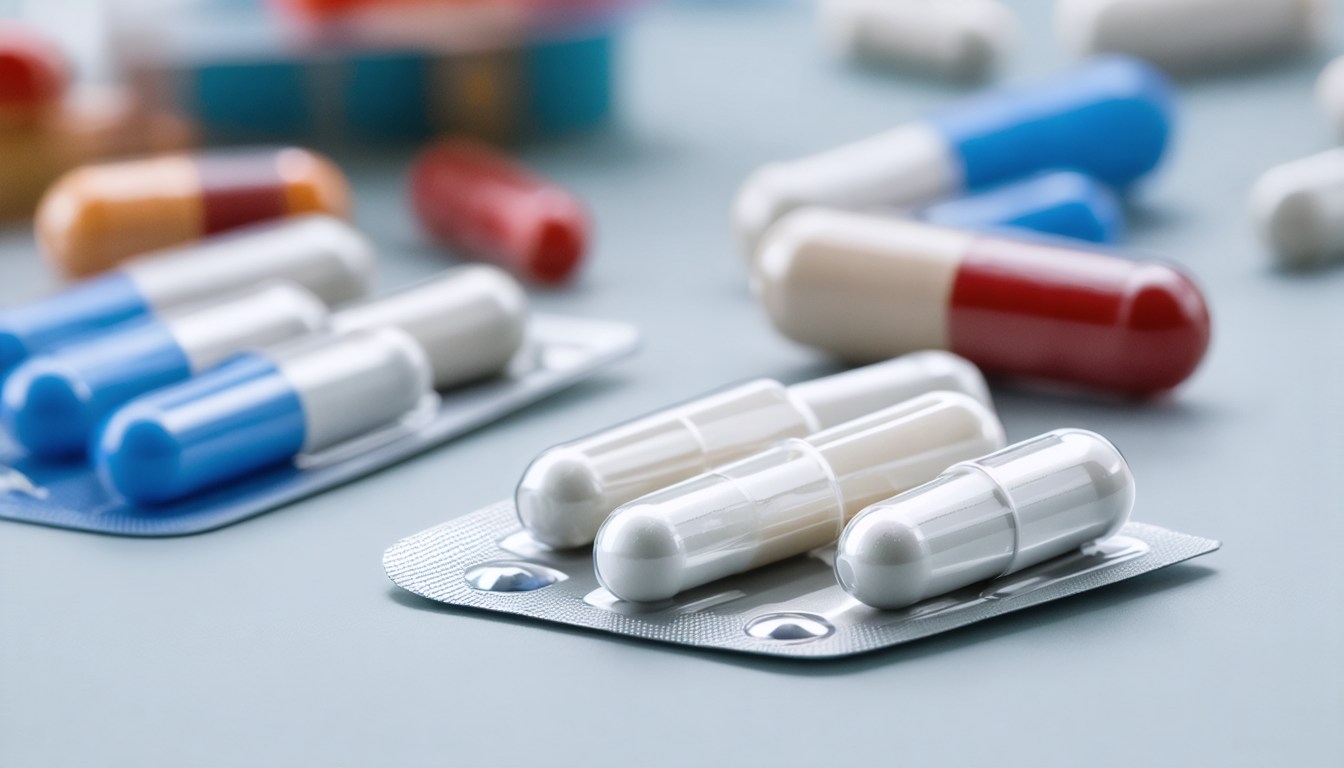
Informational image showing different types of male enhancement products such as supplements, pumps, and topical creams arranged on a neutral background

Male enhancement products — answers to the main questions

Disclaimer: This article is for educational purposes only and does not replace professional medical advice, diagnosis, or treatment. Always consult a qualified healthcare provider regarding concerns about sexual health or the use of any enhancement products.

Frequently asked questions (FAQ block at the beginning)

What are male enhancement products?

Male enhancement products are supplements, devices, topical preparations, or prescription medications marketed to improve erectile function, libido, stamina, or penis size. They range from over-the-counter herbal pills to vacuum erection devices and FDA-approved treatments for erectile dysfunction (ED).

Why do men look for enhancement products?

Common reasons include erectile difficulties, reduced sexual desire, performance anxiety, concerns about size, and age-related changes. Chronic conditions such as diabetes, cardiovascular disease, and hormonal imbalances may also contribute.

How can I recognize erectile dysfunction?

ED is typically defined as the persistent inability to achieve or maintain an erection sufficient for satisfactory sexual performance. Occasional difficulties are common, but symptoms lasting several weeks or months may indicate a medical issue.

Are over-the-counter male enhancement supplements safe?

Not always. Some supplements may contain undeclared pharmaceutical ingredients or interact with medications. Regulatory agencies such as the FDA have issued warnings about contaminated or mislabeled sexual enhancement products.

Do natural or herbal remedies work?

Evidence varies. Certain ingredients like L-arginine or ginseng have limited supportive data, but results are inconsistent. “Natural” does not automatically mean safe or effective.

What medical treatments are available for erectile dysfunction?

Options may include prescription oral medications, hormone therapy (when clinically indicated), vacuum erection devices, penile injections, or surgical implants. A healthcare provider determines the appropriate approach based on medical history.

Can lifestyle changes improve sexual performance?

Yes. Regular exercise, smoking cessation, weight management, stress reduction, and controlling blood pressure and blood sugar can significantly improve erectile function in many men.

When should I see a doctor?

You should seek medical advice if erectile issues are persistent, worsening, or accompanied by chest pain, shortness of breath, or other concerning symptoms. Sudden ED can sometimes signal cardiovascular disease.

Are penis enlargement claims realistic?

Most non-surgical products claiming permanent enlargement lack strong scientific evidence. Surgical options exist but carry risks and are typically reserved for specific medical conditions.

Can male enhancement products be dangerous?

Yes. Risks include drug interactions, allergic reactions, blood pressure changes, and delayed diagnosis of underlying disease. Unregulated online products pose particular safety concerns.

Is it possible to prevent erectile dysfunction?

While not all cases are preventable, maintaining overall health—especially heart health—can reduce risk. Early management of diabetes, hypertension, and mental health conditions is important.

Do psychological factors affect sexual performance?

Absolutely. Anxiety, depression, relationship issues, and stress can all impair sexual function. Counseling or sex therapy may be helpful in certain cases.

Detailed breakdown

1. Types of male enhancement products

Products generally fall into four categories:

  • Prescription medications for erectile dysfunction (e.g., PDE5 inhibitors).
  • Over-the-counter supplements marketed for libido or stamina.
  • Mechanical devices such as vacuum erection devices.
  • Topical creams and gels claiming improved blood flow or sensitivity.

Prescription treatments have undergone clinical testing. In contrast, many supplements are not subject to the same rigorous evaluation. Learn more about treatment pathways in our How it works section.

2. Common causes behind the demand

Sexual performance concerns are often multifactorial. Physical contributors include:

  • Cardiovascular disease
  • Diabetes
  • Obesity
  • Low testosterone
  • Neurological disorders

Psychological contributors may include stress, depression, or relationship difficulties. Addressing root causes is often more effective than relying solely on enhancement products.

3. Risks and safety considerations

Unregulated sexual enhancement supplements may contain hidden pharmaceutical ingredients. According to regulatory agencies, some products have been found to include undeclared sildenafil-like substances, posing serious risks—especially for individuals taking nitrates.

Possible complications include:

  • Dangerous drops in blood pressure
  • Drug interactions
  • Allergic reactions
  • Priapism (prolonged erection requiring emergency care)

For safety-focused guidance, visit our FAQ section.

4. Evidence-based approaches

Clinical guidelines emphasize identifying and managing underlying conditions. Treatment may involve:

  • Medical evaluation and lab testing
  • Approved prescription medications
  • Psychological counseling when indicated
  • Device-based therapies under medical supervision

Lifestyle medicine plays a key role. Regular physical activity and cardiovascular risk reduction often improve outcomes.

5. Myths vs. reality

Marketing claims frequently exaggerate results. Permanent enlargement from pills or creams is not supported by strong clinical evidence. Transparency, realistic expectations, and professional guidance are essential.

For broader men’s health topics, see our Uncategorized resources.

Checklist: what you can do today

  • Schedule a general health check-up if you have persistent symptoms.
  • Review all medications with a healthcare provider.
  • Stop smoking if applicable.
  • Engage in regular aerobic exercise.
  • Adopt a heart-healthy diet.
  • Manage stress through mindfulness or therapy.
  • Limit alcohol intake.
  • Avoid purchasing enhancement products from unverified online sources.
  • Monitor blood pressure and blood sugar if at risk.
  • Discuss concerns openly with your partner.

When to seek urgent care

Symptom / Situation Urgency Level Where to Seek Help
Chest pain during sexual activity Emergency Call emergency services immediately
Prolonged erection lasting more than 4 hours Emergency Emergency department
Sudden onset of erectile dysfunction with other neurological symptoms Urgent Emergency department or urgent care
Gradual erectile difficulties without other symptoms Non-urgent but important Primary care physician or urologist
Side effects after taking a supplement Varies (mild to urgent) Contact healthcare provider or poison control center

Sources

  • U.S. Food and Drug Administration (FDA) — Consumer Updates on Tainted Sexual Enhancement Products.
  • National Institute of Diabetes and Digestive and Kidney Diseases (NIDDK) — Erectile Dysfunction.
  • American Urological Association (AUA) — Clinical Guidelines on Erectile Dysfunction.
  • National Institutes of Health (NIH) — Office of Dietary Supplements.
  • Mayo Clinic — Erectile Dysfunction Overview.
  • World Health Organization (WHO) — Cardiovascular Disease Fact Sheets.
Libido supplements: what they are and what your next step should be

Libido supplements“: what it is and what your next step should be

Disclaimer: This article is for educational purposes only and does not replace medical advice, diagnosis, or treatment. Libido (sexual desire) is influenced by physical, psychological, and relationship factors. Before starting any libido supplement or sexual enhancement product, consult a qualified healthcare professional.

“Libido supplements” is a broad term covering herbal remedies, vitamins, minerals, and over-the-counter products marketed to improve sexual desire, arousal, or performance. They are often promoted as “natural sex boosters” or “sexual enhancement supplements.” But low libido can have many causes — from stress and hormonal imbalance to medication side effects or chronic disease. Your next step depends on your specific situation.

3 typical scenarios

1. Gradual loss of sexual desire over months or years

What this might mean:
A gradual decrease in libido may be associated with hormonal changes (e.g., low testosterone in men, perimenopause or menopause in women), chronic stress, depression, sleep problems, or medical conditions such as diabetes or thyroid disorders. It can also be related to relationship factors.

What a doctor usually does:
A physician typically asks about duration, stress levels, mood, medications (including antidepressants or blood pressure drugs), menstrual history (if applicable), and overall health. Blood tests may include hormone levels (e.g., testosterone, thyroid function), glucose, and lipid profile. In some cases, referral to an endocrinologist, gynecologist, or urologist may be considered. Before suggesting supplements for libido, the doctor aims to identify underlying causes.

For a better understanding of how sexual health interventions are evaluated, see How it works.

2. Normal desire but difficulty with arousal or performance

What this might mean:
You may feel sexual desire but experience erectile dysfunction (ED), vaginal dryness, or difficulty maintaining arousal. This can be linked to cardiovascular health, medication side effects, anxiety, or hormonal shifts. In men, erectile issues may signal vascular problems. In women, vaginal dryness may relate to estrogen changes.

What a doctor usually does:
The clinician may assess cardiovascular risk factors (blood pressure, cholesterol), review medications, and discuss psychological stressors. For men, erectile function questionnaires may be used. For women, a pelvic exam may be appropriate. Evidence-based treatments (such as prescription medications or local estrogen therapy, as prescribed by a doctor) are considered before recommending over-the-counter libido boosters.

You can also explore common concerns in our FAQ section for general background information.

3. Sudden drop in libido after starting a new medication or during a stressful life event

What this might mean:
Certain medications — including selective serotonin reuptake inhibitors (SSRIs), hormonal contraceptives, and some antihypertensives — are known to affect sexual desire. Acute stress, grief, or major life changes can also temporarily suppress libido.

What a doctor usually does:
Your provider may review the timing of symptoms relative to medication changes. In some cases, adjusting the dose or switching medications (under medical supervision) may help. If stress or anxiety is a major factor, counseling or therapy may be recommended. Supplements are generally not the first-line solution when a clear trigger is present.

For broader health topics that may overlap with sexual wellness, see our Uncategorized articles.

Decision tree

  1. If your low libido has lasted more than a few weeks and affects your well-being, then schedule a primary care visit for evaluation.
  2. If you have other symptoms (fatigue, weight changes, mood changes), then ask about hormonal or metabolic testing.
  3. If the issue started after a new medication, then consult your prescribing doctor before stopping or changing it.
  4. If you have erectile dysfunction or pain during sex, then seek targeted evaluation rather than self-treating with supplements.
  5. If no medical cause is found and symptoms are mild, then discuss with your doctor whether certain evidence-informed supplements may be appropriate.
  6. If you are considering buying an over-the-counter sexual enhancement supplement online, then verify product safety and discuss potential interactions first.

When to seek help urgently (red flags)

  • Chest pain or shortness of breath during sexual activity: May indicate cardiovascular disease.
  • Sudden erectile dysfunction with neurological symptoms (weakness, numbness): Requires immediate evaluation.
  • Severe pelvic pain or abnormal bleeding: Needs urgent gynecological assessment.
  • Symptoms of severe depression or suicidal thoughts: Seek immediate mental health support.
  • Use of unregulated sexual enhancement pills with side effects (palpitations, fainting): Stop and seek care promptly.

Approaches to treatment/management (overview)

Treatment depends on the identified cause. Options may include:

  • Lifestyle modification: Improving sleep, exercise, weight management, and stress reduction can positively influence sexual desire.
  • Psychological support: Cognitive behavioral therapy (CBT) or couples counseling for stress, anxiety, or relationship concerns.
  • Hormone therapy: Testosterone therapy (in clinically confirmed deficiency) or estrogen therapy (for menopausal symptoms), as prescribed by a doctor.
  • Prescription medications: For erectile dysfunction or hypoactive sexual desire disorder (HSDD), specific medications may be used under medical supervision.
  • Libido supplements: Some products contain ingredients such as maca, ginseng, L-arginine, zinc, or tribulus terrestris. Evidence varies, and quality control is inconsistent. Supplements may interact with medications (e.g., blood pressure drugs, antidepressants). Always consult a healthcare professional before use.

It is important to note that some over-the-counter “male enhancement” or “female libido” products have been found to contain undeclared pharmaceutical ingredients. Choose products tested by reputable third parties when advised by a clinician.

Prevention

While not all causes of low libido are preventable, the following strategies support sexual health:

  • Maintain regular physical activity (supports cardiovascular and hormonal health).
  • Prioritize sleep (7–9 hours for most adults).
  • Manage chronic conditions such as diabetes and hypertension.
  • Limit excessive alcohol and avoid smoking.
  • Address relationship concerns early.
  • Schedule routine health checkups.
Method Who it suits Limitations/risks
Lifestyle optimization Most adults with mild libido concerns Requires consistency; gradual results
Herbal supplements (e.g., ginseng, maca) Individuals without major medical conditions, after medical consultation Variable evidence; potential interactions; product quality concerns
Hormone therapy (as prescribed by a doctor) Patients with confirmed hormonal deficiency Requires monitoring; possible side effects
Prescription ED or HSDD medications Patients with diagnosed sexual dysfunction Contraindications; must be medically supervised
Psychotherapy/sex therapy Those with stress, anxiety, or relationship-related causes Time commitment; depends on engagement

Questions to ask your doctor

  1. What could be causing my low libido?
  2. Do I need hormone or blood tests?
  3. Could my current medications be affecting my sexual desire?
  4. Are libido supplements safe for me?
  5. Are there interactions with my existing prescriptions?
  6. Do you recommend lifestyle changes before supplements?
  7. What evidence supports specific sexual enhancement supplements?
  8. Should I see a specialist (urologist, gynecologist, endocrinologist)?
  9. How long should I try a treatment before reassessment?
  10. What warning signs should prompt immediate medical attention?

Sources

  • National Institutes of Health (NIH) – Office of Dietary Supplements.
  • U.S. Food and Drug Administration (FDA) – Tainted Sexual Enhancement Products Alerts.
  • Endocrine Society Clinical Practice Guidelines.
  • American Urological Association (AUA) Guidelines on Erectile Dysfunction.
  • North American Menopause Society (NAMS) Position Statements.
  • World Health Organization (WHO) – Sexual and Reproductive Health resources.

Next step: If you are considering libido supplements, start with a medical evaluation to clarify the cause of your symptoms. A targeted approach is more effective — and safer — than self-prescribing over-the-counter sexual enhancement products.

Potency Improvement Supplements: A Self‑Check Guide

Self-check questionnaire about potency improvement supplements, lifestyle factors, and when to seek medical advice

Potency improvement supplements

Disclaimer: This self-check questionnaire is for educational purposes only. It does not diagnose any condition or replace professional medical advice. If you have persistent concerns or symptoms, or if anything feels urgent, consult a qualified healthcare professional.

Questionnaire

Use the checklist below to reflect on factors commonly discussed in relation to potency improvement supplements, sexual wellness, and overall health. Answer honestly based on the last 3–6 months.

  • Have you noticed changes in sexual performance, confidence, or stamina compared with your usual baseline?
  • Do these changes occur consistently, or only during periods of stress, fatigue, or anxiety?
  • How long have you been experiencing these changes (less than 1 month, 1–3 months, more than 3 months)?
  • Have you experienced reduced morning erections or changes in arousal frequency?
  • Do you feel low energy, persistent tiredness, or decreased motivation during the day?
  • Have you had recent changes in sleep quality, including insomnia or sleep apnea symptoms?
  • Are you currently taking any medications (prescription or over-the-counter) that may affect sexual function?
  • Do you smoke, vape, or use nicotine products regularly?
  • How often do you consume alcohol (none, occasional, frequent, heavy)?
  • Is your diet low in fruits, vegetables, whole grains, or healthy fats?
  • Do you engage in regular physical activity at least 3 times per week?
  • Have you experienced recent psychological stress, relationship difficulties, or performance anxiety?
  • Do you have known health conditions such as diabetes, high blood pressure, or hormonal disorders?
  • Have you tried potency improvement supplements or herbal products before?
  • If yes, did you notice benefits, side effects, or no change?
  • Are you considering supplements as a first step before lifestyle or medical evaluation?

How to interpret answers

Your responses can help you decide whether to seek further information or professional guidance. This is not a diagnosis.

  • Low reason to seek help: Occasional changes linked to temporary stress, poor sleep, or short-term lifestyle factors, with otherwise good health.
  • Medium reason to seek help: Ongoing changes lasting more than a few months, multiple risk factors (stress, inactivity, diet), or uncertainty about supplement safety.
  • High reason to seek help: Persistent or worsening issues, associated health conditions, medication use, or side effects from supplements.

Next steps: what to do

  1. Self-monitor: Note patterns related to sleep, stress, diet, and physical activity.
  2. Record symptoms: Keep a simple log of frequency, duration, and triggers.
  3. Review lifestyle basics: Prioritize sleep, balanced nutrition, regular exercise, and stress management.
  4. Research supplements carefully: Look for evidence, standardized ingredients, and safety information.
  5. Check interactions: Consider possible interactions with medications or existing conditions.
  6. Choose the right specialist: A primary care physician, urologist, or endocrinologist can provide guidance.
  7. Prepare questions: Ask about causes, tests (if needed), non-supplement options, and realistic expectations.
Situation Urgency Action
Occasional performance concerns during stress Low Lifestyle review and self-monitoring
Persistent changes over several months Medium Discuss with a healthcare professional before using supplements
Symptoms with chronic disease or medication use High Seek medical advice promptly

FAQ

What are potency improvement supplements?

They are products marketed to support sexual performance, often containing vitamins, minerals, amino acids, or herbal extracts.

Do supplements work the same for everyone?

No. Effects can vary widely depending on health status, lifestyle, and underlying factors.

Are “natural” supplements always safe?

Not necessarily. Natural ingredients can still cause side effects or interact with medications.

How long does it take to notice changes?

Some people report changes within weeks, while others may notice none. There are no guaranteed timelines.

Should supplements replace medical care?

No. They should not replace evaluation or treatment recommended by a healthcare professional.

Where can I learn how these products are supposed to work?

See our overview in How potency supplements work for a general explanation.

Is there a general FAQ section about sexual wellness?

Yes, visit our sexual health FAQ for broader questions.

Are there uncategorized topics related to supplements?

You can explore additional discussions in our uncategorized health articles.

Sources

  • National Institutes of Health (NIH) – Office of Dietary Supplements
  • World Health Organization (WHO) – Sexual Health Overview
  • Mayo Clinic – Men’s Health and Supplements
  • European Association of Urology (EAU) – Patient Information

What can I put into the bins? Is there a limit?

• Home Renovation Waste
• Shingles
• Rubbish
• Household Spring/Fall Clean up
• Garbage
• Construction waste
• Junk removal

Please remember, all materials must be distributed in the bin evenly, and must be even with the top of the bin.

Absoloutly no hazardous waste will be accepted!

What qualifies as hazardous waste?

Example of hazardous waste and unacceptable material are:

– Paint and solvents
– Chemicals of any kind
– Tires
– Batteries
– Propane tanks, or propane canisters
– Pressure Vessels

For large amounts of concrete, dirt, shingles, or any additional questions about materials that you are unsure of, please do not hesitate to contact us directly and one of our informative and qualified technicians will be able to assist you.

How long can I rent the bin for?

At Bin Depot, we customize every order. This means that we will work with your schedule to accommodate your needs for drop off times, and pick up times. Our goal is to ensure that you have the best and most pain free experience every time. To schedule a drop off or pick up, please contact us to place your order today at 1.647.968.2467

If I do not have a driveway, is there somewhere else I can put it?

This is totally up to you. Our bins, especially when filled, do weigh a considerable amount, and in turn could damage a lawn if placed there. However, as long as there is space to unload and pick up the bin, it is your choice.

If you do not have driveway access, or are unable to have the bin in the driveway, putting a wood frame on the grass for the rails of the bin to sit on will help prevent damage to your lawn. Bin Depot does not take responsibility for any damage to property as a result of the bin being placed outside of the driveway.

What are your rental fees?

Bin Depot customizes every order based on the individual requirements from each customer. Our friendly and knowledgeable service reps are always available to provide an in-depth quote. Please fill out our contact form, or give us a call today to schedule an appointment. 1.647.968.2467